
Understanding Marine Order 32 (MO32): Inspection requirements
Marine Order 32 (MO32), enforced by the Australian Maritime Safety Authority (AMSA) under the Navigation Act 2012, governs the operation, inspection, maintenance, and testing of cargo handling equipment aboard ships calling at Australian ports. It aims to ensure that vessel cargo gears and access systems meet the safety standards required for efficient and incident-free loading […]
Navigating Australian Biosecurity Compliance-International Vessel
Every commercial and non-commercial vessel entering Australian ports is subject to strict biosecurity compliance requirements enforced by the Department of Agriculture, Fisheries and Forestry (DAFF), under the Australian Government. These regulations are designed to minimize biosecurity risks and ensure vessels meet International Health Regulations (IHR) throughout their stay in Australian waters. Understanding and adhering to […]
Complete Guide to Starting a Ship Management Company
Starting a ship management business can be a profitable and fulfilling venture-but it also involves multiple regulatory and operational requirements that must be handled with precision. Based on our extensive industry experience, we’ve outlined the essential steps to help you navigate this process smoothly and confidently. 1. Registering the Company The first step […]
How to Create a Compliant and Tailored Safety Management System
Compiling a Safety Management System (SMS) Manual is one of the most crucial foundational steps in launching a successful ship management company. The ISM Code acknowledges that no two companies are exactly alike — each has unique operational needs, organizational structures, and ship profiles. That’s why a tailor-made approach to your SMS manual is essential. […]
SMS Guide to Ship Operations, Emergency Preparedness, Maintenance
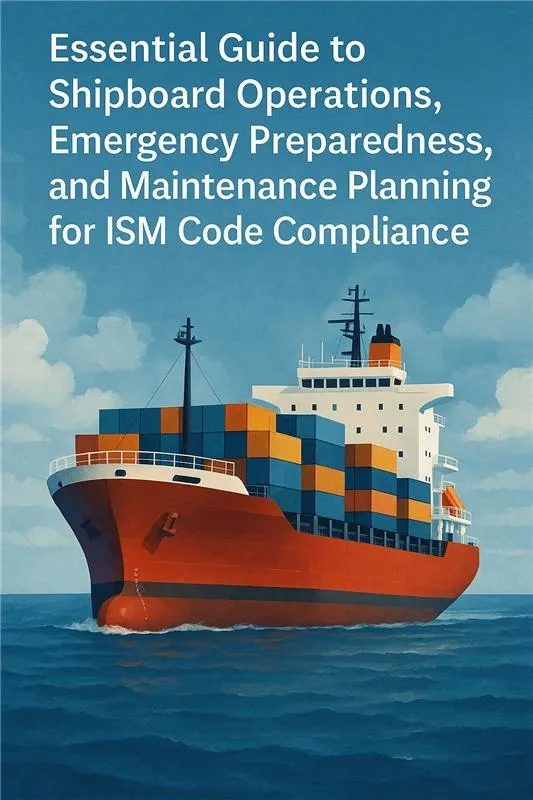
A well-structured and practical Safety Management System (SMS) forms the backbone of any effective ship management operation. The operational requirements of the SMS are supported by Three essential pillars of this system: Shipboard Operational Procedures Emergency Preparedness Plans A Robust Maintenance Program In this article, we provide a clear and concise guide for compiling your […]
Guide to Creating ISM-Compliant Environmental Management Manual
One of the key objectives of the ISM Code-alongside ensuring safe ship operations-is the prevention of pollution. As such, an Environmental Management Manual (EMS) forms a vital part of a company’s Safety Management System (SMS). While environmental management policies and plans can be integrated within the broader SMS, it is highly recommended to develop a […]
Everything You Need to Know- Transfer of Class (TOCA) of Ships
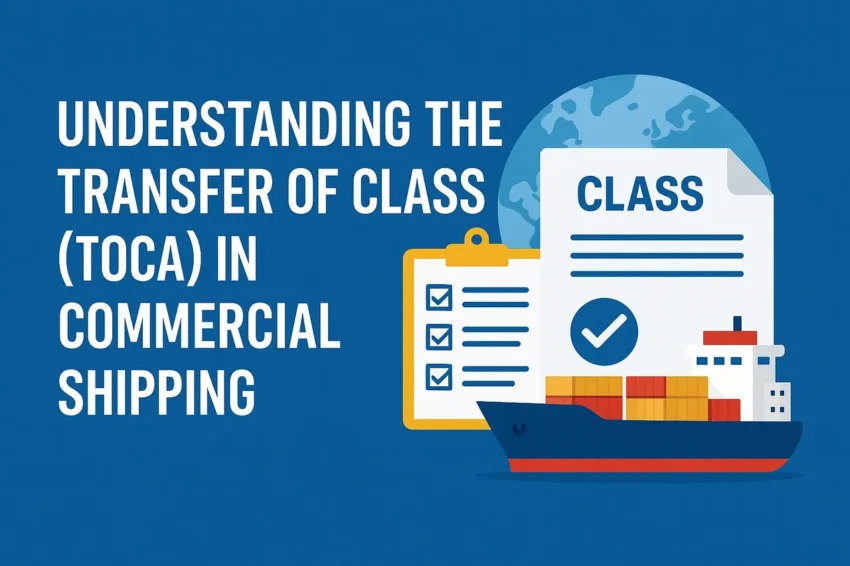
In the dynamic world of commercial shipping, it’s not uncommon for vessel owners to consider changing the classification society of a vessel—a process known as Transfer of Class (TOCA). While it might seem straightforward for newer ships that have been consistently maintained under class, the process can become more complex depending on various factors, such […]
Changing the Flag of a Vessel: A Practical Guide for Shipowners
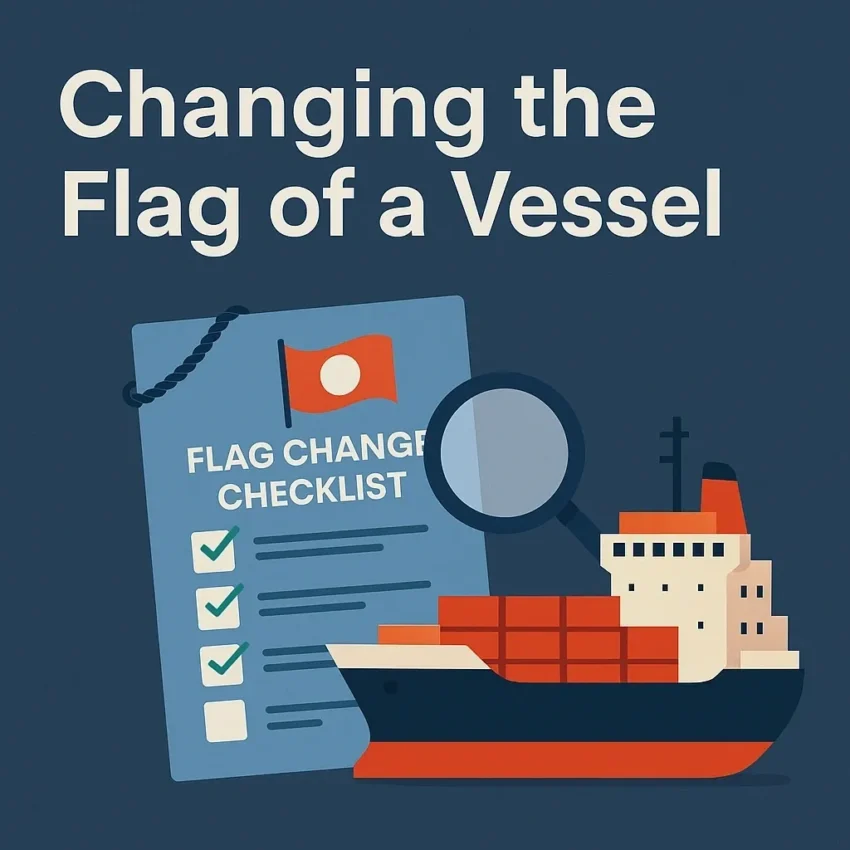
Changing the flag of a vessel – also known as reflagging – is a significant operational decision for shipowners. This process involves registering the ship under a new flag state and can be triggered by a variety of factors, including: Strategic alignment with a preferred flag administration. Fleet-wide standardization. Operational or regulatory requirements. Cost […]