regime. Detention of a vessel, or a direction notice issued under the Australian Navigation Act 2012, can result in operational delays, off-hire losses, costly repairs, reputational impact, increased scrutiny across the fleet, and in severe cases banning of the vessel from Australian waters.
At Optimum Marine Consulting, our Pre-AMSA Inspection service is designed to identify and rectify high-risk deficiencies before an official AMSA inspection takes place, protecting your vessel’s schedule, your fleet’s reputation, and your commercial standing.
Delivered by practising Master Mariners, Chief Engineers, and Naval Architects with hands-on flag state and class society experience, our team understands not just what AMSA inspectors check, but what they expect to see.
AMSA’s inspection regime is Australia’s implementation of Port State Control (PSC) ,the international system under which national maritime authorities inspect foreign and domestic vessels calling at their ports for compliance with safety, environmental, and labour conventions. AMSA is the statutory authority responsible for enforcing this regime in Australian waters through both flag State control and PSC.
A Pre-AMSA Inspection is an independent, third-party inspection carried out in line with AMSA’s own inspection requirements, focused specifically on high-risk detainable deficiencies. Our aim is simple: identify deficiencies and help resolve them before an actual AMSA inspection takes place.
Our in-depth understanding of:
➢ High-risk detainable deficiencies (Code 30)
➢ AMSA Marine Notices
➢ Current Focused Inspection Campaigns
➢ Deficiency trends across vessel types
➢ What AMSA inspectors expect to see
…lets us give your vessel staff and managers timely, pinpointed guidance rather than generic checklist compliance.
For ship owners, managers, and operators, an AMSA detention or direction notice can trigger a cascade of consequences:
➢ Disruption of vessel operations, delayed departure, missed cargo windows
➢ Financial loss from vessel off- hire
➢ Significant cost to rectify the deficiency, often under time pressure
➢ Reputational risk with charterers, insurers, and class societies
➢ Fleet-wide scrutiny-all vessels of the ISM ship management company may be flagged for closer AMSA attention
➢ Formal warning letters from AMSA requiring fleet-wide corrective action
➢ Banning from Australian waters in extreme, repeated cases
Proactive preparation is significantly less costly, and far less disruptive, than managing these consequences after the fact.
We begin our process while your vessel is still at sea, providing structured pre-arrival guidance to help crew identify and address deficiencies early. Once alongside, our experienced inspectors conduct a comprehensive onboard inspection covering:
➢ Safety management systems
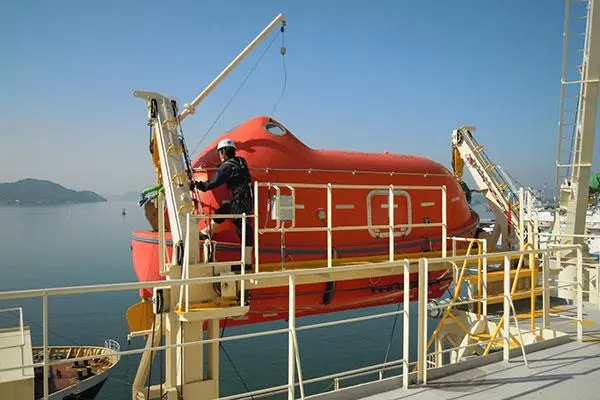
➢ Fire safety and life-saving equipment
➢ Machinery and engine room condition
➢ Navigation equipment
➢ Pollution prevention compliance
➢ Documentation and crew preparedness
We also provide on-site technical support during the actual PSC inspection, assisting vessel staff and ensuring smooth communication with AMSA inspectors.
If AMSA issues a detainable deficiency (Code 30) or a “rectify before departure” deficiency (Code 17), rapid and effective action is critical to minimise delay and commercial impact. This is where our expertise becomes your greatest asset:
➢ Guidance on acceptable permanent or temporary rectifications
➢ Coordination with Class Societies and Flag Administrations
➢ Assistance with temporary exemptions where required
➢ Proactive communication with AMSA inspectors
➢ Practical support to keep rectification and vessel departure on schedule
With extensive experience working alongside Flag Administrations, Class Societies, and AMSA inspectors, we provide practical, commercially focused support throughout the process — not just a defect list.
Across inspections, certain categories consistently drive detentions and direction notices:
➢ Safety management system (SMS) documentation and implementation
➢ Fire detection and suppression system functionality
➢ Life-saving appliance maintenance and certification
➢ Navigation and bridge equipment operation
➢ Crew certification and competency records
➢ Machinery and planned maintenance system compliance
➢ MARPOL and pollution prevention system functionality
➢ Structural condition, including corrosion and fatigue cracking
➢ Cargo securing and handling equipment
➢ Documentation consistency across class, flag, and vessel records
Early identification and correction in these categories is the single most effective way to reduce detention risk.
Optimum Marine Consulting provides Pre-AMSA inspection and preparation support across Australia’s key commercial ports, including Sydney, Melbourne, Brisbane, and other AMSA-active locations, with the flexibility to mobilise to your vessel’s berth or anchorage.
➢ Practising maritime professionals. Master Mariners, Chief Engineers, and Naval Architects with hands-on seagoing and IACS class/flag state experience.
➢ Deep AMSA-specific expertise. In-depth knowledge of Code 30/17 deficiency classification, current Focused Inspection Campaigns, and AMSA inspector expectations — not generic PSC checklists.
➢ Regulatory coordination, not just inspection. We work directly with Class Societies and Flag Administrations on exemptions and rectification pathways.
➢ Independent, third-party assessment. Our findings reflect what an AMSA inspector will genuinely see.
➢ On-site support during the real inspection. We stand alongside your crew during the actual PSC inspection, not just beforehand.

Optimum Marine Team played a key role in building our SMS, implementing marine software for ship management, trained our team and guided us through completing the interim DOC audit with an IACS class society.

Optimum Marine Team managed the registration of my tugboat with AMSA. Reactivated the tug from dead ship to fully operational state, managed the five-yearly dry docking schedule and issuance of certificate of survey.

Working with Optimum Marine Consulting to certify Taiga’s electric PWC for the Australian market was a smooth and professional experience. Their clear communication, expertise, and thoroughness made the process seamless. Taiga looks forward to working with OMC again and highly recommends them as a certification partner.
Optimum Marine Consulting has helped through required changes and audits to attain our ISO 9001 certification. Our consultant has a wealth of knowledge, speaks in layman’s terms and essentially held our hand through it all. We’ve had a great experience and are very appreciative of his support. Can recommend!
An independent third-party inspection carried out before an official AMSA PSC inspection to identify and rectify potential deficiencies.
A proactive inspection helps reduce the risk of detention, operational disruption, financial losses, and reputational damage.
While no inspection can guarantee the outcome of an AMSA inspection, our proactive approach significantly reduces the likelihood of detention.
Yes. A detailed report with identified deficiencies, risk areas, and corrective recommendations is provided after inspection.
We combine practical seagoing experience with in-depth knowledge of AMSA inspection trends, detainable deficiencies, and PSC expectations to deliver focused and effective support.